Views: 0 Author: Site Editor Publish Time: 2025-12-15 Origin: Site


Is your forklift struggling on uneven ground? A Rough Terrain Forklift is designed for these tough conditions.These forklifts are essential for industries like construction, mining, and agriculture, where rough terrain is a constant challenge. In this article, you will learn about the advantages of Rough Terrain Forklifts and how they improve efficiency, safety, and cost-effectiveness in rugged environments.
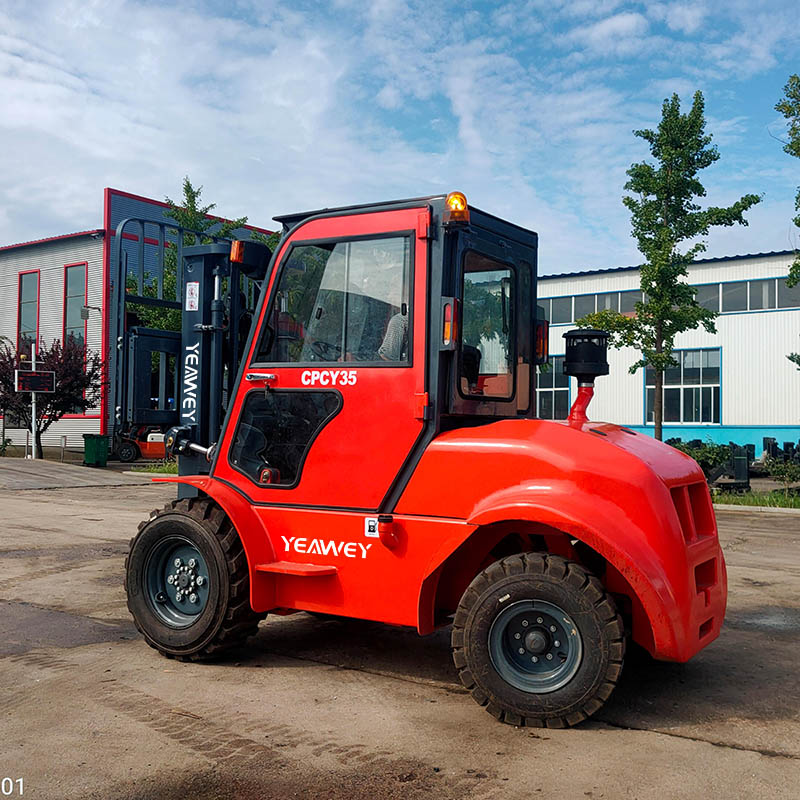
Rough Terrain Forklifts are specifically designed to excel in environments where traditional forklifts would struggle. They are built to operate on uneven, rough, and unstable surfaces such as gravel, mud, sand, or even snow. These forklifts are crucial for industries like construction, mining, and agriculture, where standard equipment can't efficiently perform in challenging outdoor conditions.
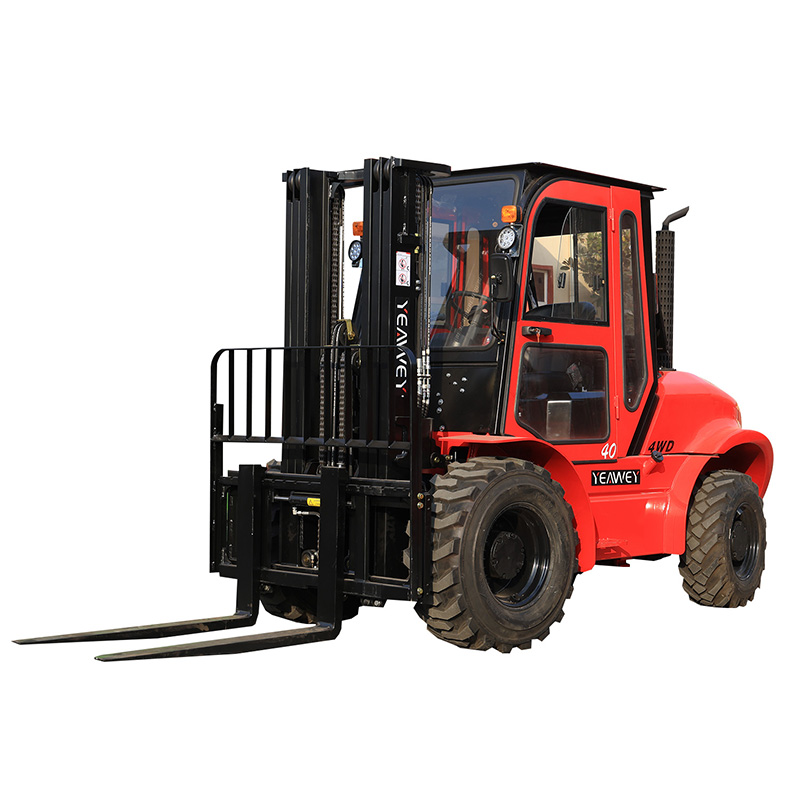
● High Ground Clearance: One of the standout features of a Rough Terrain Forklift is its elevated ground clearance. This high clearance allows the forklift to pass over large obstacles like rocks, boulders, or uneven surfaces without getting stuck or damaging the undercarriage. The additional clearance ensures that the forklift can smoothly navigate rough terrains while maintaining stability, even in areas filled with large debris.
● Large Tires: Another critical feature is the large, wide tires that Rough Terrain Forklifts are equipped with. These tires are specifically designed to provide better stability and traction, especially on soft or loose surfaces such as sand, mud, and gravel. The larger surface area of the tires helps distribute the weight of the forklift more evenly, preventing it from sinking into soft terrain. It also ensures the forklift can maintain grip on slippery surfaces, reducing the risk of slippage and increasing operational safety.
● Robust Suspension System: The suspension system in a Rough Terrain Forklift plays a vital role in maintaining smooth operations. It absorbs the shocks from uneven surfaces, minimizing vibrations and impacts that could otherwise be harmful to the forklift or operator. With a well-engineered suspension system, these forklifts can handle rough, bumpy terrain, ensuring consistent performance and preventing wear and tear on the equipment.
To meet the demands of rugged terrain, Rough Terrain Forklifts are powered by high-torque diesel engines. These engines provide the strength needed to handle the heavy lifting tasks that come with working in challenging conditions. Diesel engines are chosen because they deliver the torque necessary for heavy-duty tasks, providing optimal power for navigating tough environments.
● High-Torque Diesel Engines: Diesel engines are particularly favored for Rough Terrain Forklifts due to their ability to generate high torque at low speeds. This is essential when moving heavy materials or navigating steep, uneven, or soft terrain. The powerful engine ensures that the forklift can carry substantial loads without bogging down or losing power, even in tough outdoor conditions.
● 4WD and 2WD Systems: Another significant aspect of Rough Terrain Forklifts is their ability to be equipped with either 4WD (four-wheel drive) or 2WD (two-wheel drive) systems. The 4WD system provides superior traction by engaging all four wheels, allowing the forklift to travel over the most challenging surfaces, such as mud, snow, and steep inclines. It ensures maximum stability and control, preventing the forklift from becoming stuck or losing traction on slippery or uneven ground. On the other hand, 2WD systems, while less powerful than 4WD, offer higher fuel efficiency and can still perform well on moderately rough terrains. These forklifts are often used in environments where the surface isn’t too challenging, but still requires better traction than a standard forklift.
Rough Terrain Forklifts are built to work in environments where standard forklifts would fail. Their ability to navigate rough surfaces ensures that material handling operations continue without delay, reducing downtime and improving overall productivity. By enabling businesses to perform lifting and transport tasks on challenging grounds, these forklifts allow work to continue in adverse conditions that would otherwise cause significant disruptions.
Safety is a top priority in any industrial environment, and Rough Terrain Forklifts are designed to enhance operator safety. These forklifts are equipped with larger tires and advanced suspension systems that reduce the risk of tipping over when navigating uneven surfaces. They also have higher ground clearance, which prevents the forklift from getting stuck in obstacles, providing more stability on uneven terrain.
Although the initial investment in a Rough Terrain Forklift may be higher than for standard models, it pays off in the long term. These forklifts are built for durability and efficiency, reducing the need for frequent repairs and maintenance. Their robust construction ensures that they can handle difficult terrains without wearing down quickly, which results in fewer downtimes and greater long-term reliability.By minimizing repair costs and downtime, businesses can rely on Rough Terrain Forklifts to perform consistently, leading to cost savings over time.
Rough Terrain Forklifts are crucial in construction environments, where they are used to move heavy materials across uneven ground. Whether on a job site with gravel, dirt, or muddy surfaces, these forklifts can safely transport equipment and materials, ensuring timely project completion without disruptions.
In mining operations, Rough Terrain Forklifts are used to move heavy equipment and mined materials across rocky, unstable ground. Their 4WD capabilities allow them to safely traverse mining sites, where the terrain is often uneven and treacherous. By using Rough Terrain Forklifts, mining companies can increase their operational efficiency while reducing the risks associated with transporting heavy loads on unstable surfaces.
Farmers benefit from Rough Terrain Forklifts for moving crops, heavy equipment, and supplies across uneven farmland. These forklifts are built to handle the challenges of soft soil, muddy fields, or rocky terrains, ensuring smooth and efficient operations during planting and harvest seasons. Their ability to handle large, heavy loads while maintaining stability on rough terrain is crucial for keeping agricultural operations running smoothly.
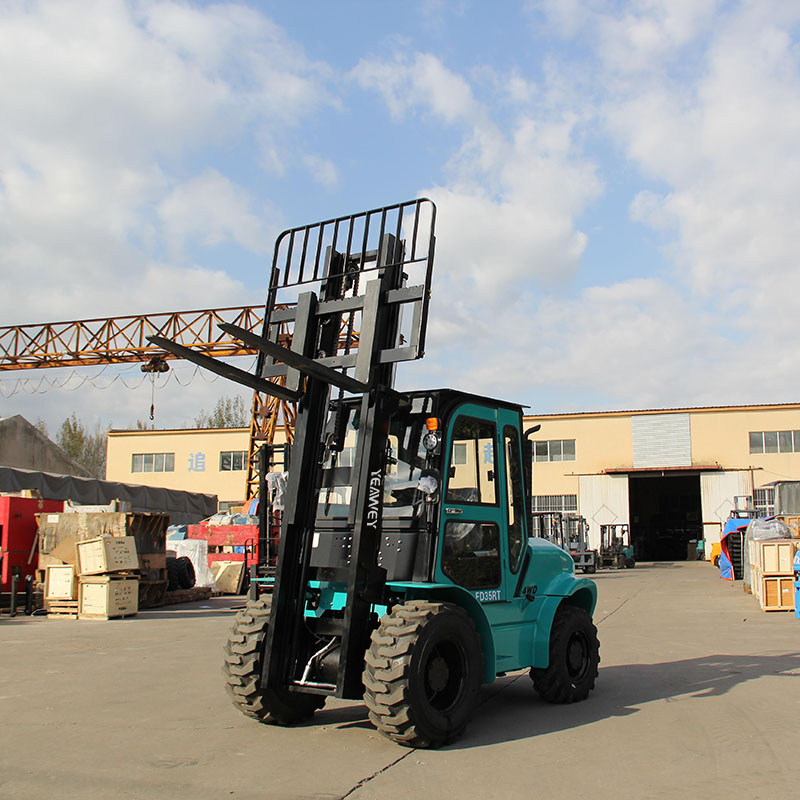
Choosing the right Rough Terrain Forklift for your business depends on several factors:
● Ground clearance: Higher clearance ensures that the forklift can operate over larger obstacles without getting stuck.
● Lifting capacity: Match the forklift's capacity with the types of materials you’ll be handling to ensure it meets your needs.
● Tire size: Larger tires provide better stability and traction on rough surfaces.
● Engine power: A higher engine capacity ensures the forklift can handle heavier loads and more challenging terrain.
Rough Terrain Forklifts come in a variety of models, each suited for specific tasks. Some are designed for lighter duties, while others are built to handle large loads or operate on steeper inclines. When selecting a forklift, consider the size of your job site, the type of terrain you’ll be working on, and the weight of the materials you’ll need to lift. Models with a 4WD system are ideal for more challenging terrains, while 2WD models may be sufficient for moderate conditions. Choosing the right model ensures that your forklift performs optimally, saving time and resources in the long run.
Feature | Description |
Ground Clearance | Higher ground clearance enables the forklift to clear large obstacles like rocks and debris without getting stuck. |
Lifting Capacity | The forklift should be able to handle the weight of heavy materials efficiently, without compromising performance. |
Lifting Height | Ensure the forklift can reach the necessary height to stack or lift materials onto higher platforms. |
Tires | Pneumatic tires provide shock absorption, improving stability and traction on rough, uneven surfaces. |
Suspension | A well-designed suspension system absorbs impacts from uneven surfaces, providing smoother operation and greater stability. |
Traction System | 4WD or 2WD systems enhance mobility and traction, especially on soft or challenging surfaces like mud or sand. |
Rough Terrain Forklifts offer significant advantages, including increased productivity, enhanced safety, and reduced operational costs in challenging environments. Industries such as construction, mining, and agriculture rely on these forklifts to handle heavy materials safely and efficiently on uneven, unstable surfaces. By selecting the right Rough Terrain Forklift from YEAWEY, tailored to your business needs, you can optimize your operations, boost productivity, and reduce the costs associated with tough terrain handling.
A: A Rough Terrain Forklift is a heavy-duty forklift designed to operate on uneven and challenging surfaces like gravel, mud, or sand. It features large tires, high ground clearance, and powerful engines to ensure stability and efficiency in rugged environments.
A: Rough Terrain Forklifts are ideal for industries like construction, mining, and agriculture. They offer increased productivity by handling materials in areas where standard forklifts cannot operate, reducing downtime in harsh outdoor conditions.
A: Rough Terrain Forklifts provide superior stability, minimizing the risk of tipping over when navigating challenging ground. Features such as enhanced suspension, larger tires, and advanced stability control systems ensure safer operations, reducing the risk of accidents in hazardous environments.
A: Although Rough Terrain Forklifts require a higher initial investment, their durability, efficiency, and ability to handle tough environments reduce maintenance costs, downtime, and repairs over time, providing significant long-term savings.
A: By navigating through challenging terrains, Rough Terrain Forklifts keep operations running smoothly without delays. Their ability to perform tasks in muddy, rocky, or uneven areas prevents work stoppages, thereby increasing overall productivity.