
Views: 0 Author: Site Editor Publish Time: 2025-12-17 Origin: Site


Forklifts are essential in many industries, offering solutions for lifting in both indoor and outdoor environments. Among the various types, the rough terrain forklift and all-terrain forklift stand out for their unique capabilities.In this article, we will explore the key differences between these two forklifts. By the end, you'll know which one best suits your needs.
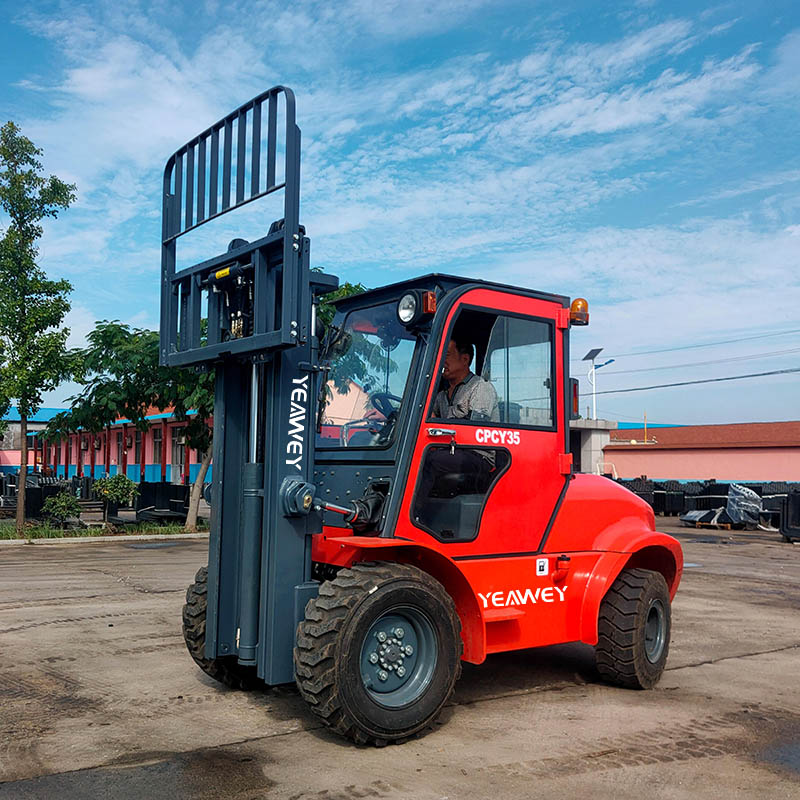
A rough terrain forklift is a specialized machine built for environments where standard forklifts cannot operate. With large, rugged tires and often a 4-wheel drive system, it can handle uneven, rocky, and muddy surfaces. These forklifts are commonly used in construction, landscaping, and mining, where smooth, paved surfaces are rare. They are designed to be durable, with powerful engines and enhanced features like high ground clearance and robust suspensions. This makes them ideal for handling heavy lifting tasks on rough, unstable surfaces, providing a reliable solution in challenging outdoor conditions.
● Enhanced Traction: The large, deep-tread tires provide better grip on uneven ground, reducing the risk of slippage.
● All-Terrain Capability: These forklifts can operate on gravel, sand, and muddy terrains, making them ideal for construction sites and other rugged environments.
● Off-Road Durability: Built for durability, rough terrain forklifts are designed to endure harsh weather and rough working conditions.
● Lower Speed: While rugged, rough terrain forklifts tend to be slower compared to all-terrain forklifts, limiting efficiency in time-sensitive operations.
● Limited Versatility: These forklifts excel in rough outdoor environments but may struggle on smoother, flat surfaces, especially indoors or in more refined industrial settings.
Prompt: Consider investing in a rough terrain forklift if your primary operations involve working on construction sites or areas with challenging surfaces like mud, gravel, or rocky terrain.
An all-terrain forklift is a versatile forklift designed for multi-terrain use, meaning it can handle both smooth and rough surfaces. Unlike rough terrain forklifts, all-terrain models are built with larger tires and advanced suspension systems, allowing them to operate on a wider variety of terrains, including flat surfaces like concrete, as well as rugged terrains like grass, dirt, or gravel. All-terrain forklifts are often used in industries such as forestry, agriculture, and landscaping, where operators need to transport materials over a range of ground conditions without the need for switching between different types of equipment.
● Multi-Surface Capability: These forklifts are ideal for mixed terrain environments, allowing operators to switch between rough and smooth surfaces.
● Improved Maneuverability: Thanks to their advanced suspension systems, all-terrain forklifts are typically more maneuverable on both flat and rough ground.
● Higher Efficiency: They can quickly transition from rough outdoor settings to paved roads or indoor environments without the need for adjustments or additional equipment.
● Less Specialized for Extreme Terrain: While capable of handling most surfaces, all-terrain forklifts may not perform as well in very harsh, rugged environments compared to rough terrain forklifts.
● Higher Initial Cost: Due to their versatile capabilities, all-terrain forklifts tend to be more expensive than rough terrain forklifts, making them a larger investment for businesses.
Comment: If your worksite involves multiple terrain types, such as transitioning from a gravel yard to smooth concrete, an all-terrain forklift could provide superior performance and reduce downtime.
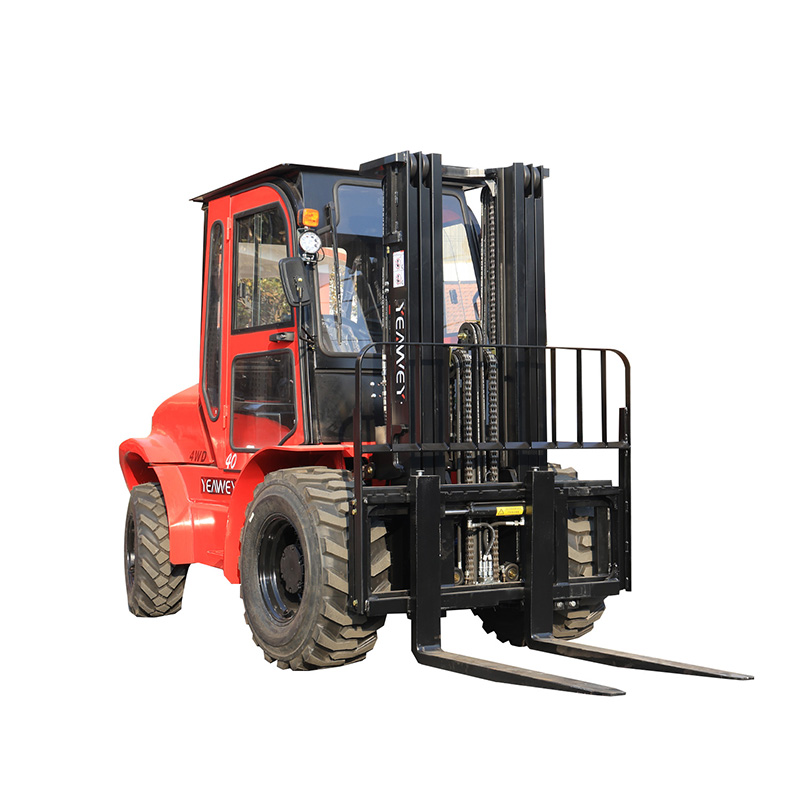
Feature | Rough Terrain Forklift | All-Terrain Forklift |
Wheel Design and Traction | Large, deep-tread tires for better grip on rough surfaces like mud and gravel. | Larger, more adaptable tires that balance grip for both smooth and rough surfaces. |
Drive Systems and Maneuverability | 4-wheel drive system for handling challenging surfaces; generally slower speed. | More advanced suspension systems offering better maneuverability on mixed terrains. |
Load Capacity and Stability | High load capacity ideal for heavy-duty tasks in rough environments. | Better stability on mixed surfaces but may have a slightly lower load capacity compared to rough terrain forklifts. |
Terrain-Specific Performance | Excellent in gravel, mud, and rocky terrains. | Performs well on both solid and rough terrains but may struggle in extreme conditions. |
When choosing between a rough terrain forklift and an all-terrain forklift, the first step is assessing the types of terrain you’ll be working on. If your site includes predominantly rocky, muddy, or uneven ground, a rough terrain forklift will provide better traction and durability. For sites that involve a mix of solid surfaces and outdoor environments, an all-terrain forklift might be the more versatile option.
Consider the weather conditions, site accessibility, and operational flexibility when making your decision. For example, a job site prone to sudden weather changes or varying terrain types may benefit from an all-terrain forklift’s adaptability.
While rough terrain forklifts are typically less expensive due to their specialized nature, all-terrain forklifts offer a broader range of functionality, which can justify the higher price for operations that need more versatility. Weighing the cost of both forklifts in relation to your operational requirements can help make the most economical decision.
Rough terrain forklifts are built to withstand harsh conditions, making them the go-to solution for construction sites, mining operations, and outdoor projects where equipment needs to endure exposure to extreme elements such as rain, snow, and rough terrain.
Due to their heavy-duty tires and 4-wheel drive, rough terrain forklifts excel at handling rough ground. They provide stability in places where other forklifts might become stuck, including swampy or rocky terrains.
Rough terrain forklifts are more cost-effective when the job requires specialized equipment for use in remote or rugged areas. Their durable construction makes them reliable for tough jobs without breaking the bank.
All-terrain forklifts offer superior versatility, making them ideal for environments that require mobility across both smooth and rugged surfaces. Their ability to easily transition between varied terrains enhances their overall functionality.
Switching between different types of forklifts can be time-consuming and expensive. All-terrain forklifts help reduce downtime in mixed terrain environments, where a variety of surfaces must be navigated regularly.
Because they can handle both rough and solid surfaces, all-terrain forklifts help improve operational efficiency in diverse workplace environments, allowing for more productive time spent on tasks rather than equipment adjustments.
To make the best choice, evaluate the terrain of your site and the specific tasks you need the forklift to perform. If you deal mostly with extreme conditions like rugged construction zones, a rough terrain forklift may be more suitable. However, for workplaces with a combination of indoor and outdoor tasks, the all-terrain forklift could provide greater versatility.
● Rough Terrain Forklifts: Ideal for difficult, uneven outdoor surfaces and extreme weather conditions.
● All-Terrain Forklifts: Best for mixed surfaces and sites that require flexibility and multi-environment capabilities.
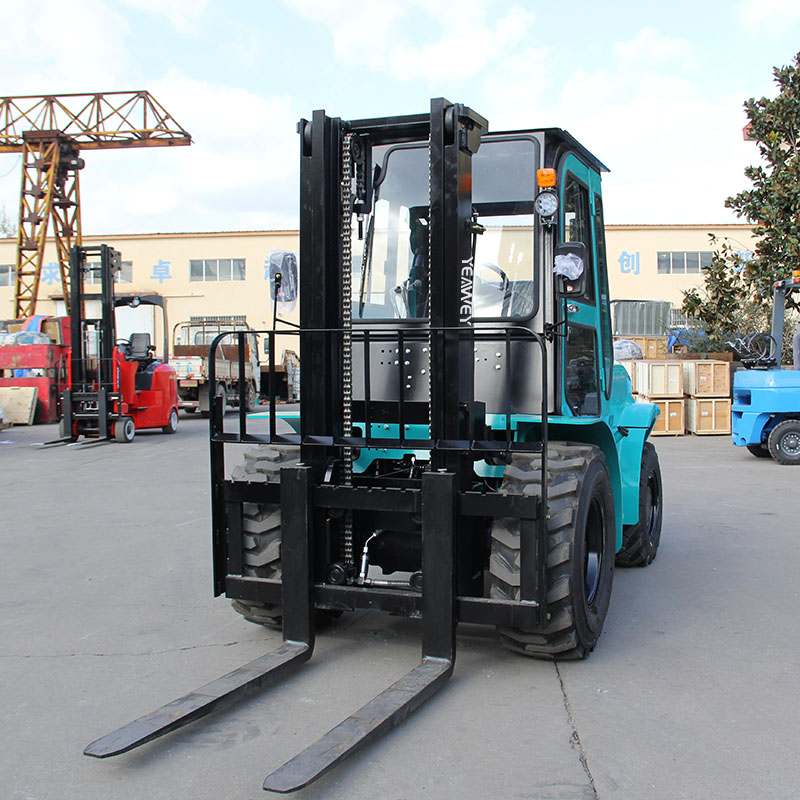
Choosing between a rough terrain forklift and an all-terrain forklift depends on your worksite’s surfaces. Rough terrain forklifts excel in extreme conditions, while all-terrain forklifts offer versatility for mixed environments. Contact YEAWEY for expert forklift advice and personalized recommendations to meet your operational needs. Whether in construction, landscaping, or agriculture, the right forklift from YEAWEY will boost your efficiency and safety.
A: A rough terrain forklift is designed to operate on uneven and rugged surfaces, offering enhanced traction and stability. It's ideal for construction, mining, and outdoor environments.
A: While both forklifts handle challenging surfaces, a rough terrain forklift is better suited for extreme conditions like mud or rocks, whereas an all-terrain forklift can operate across a wider range of surfaces, including smooth and rough areas.
A: If your worksite involves highly uneven or tough surfaces, a rough terrain forklift will provide the durability and traction needed for stability and efficient operation.
A: The price of a rough terrain forklift depends on the model and features but generally ranges from $20,000 to $100,000, depending on the brand and specifications.
A: Rough terrain forklifts provide excellent stability, enhanced traction, and the ability to work in difficult outdoor environments, making them essential for construction and heavy-duty lifting tasks.


