
Views: 0 Author: Site Editor Publish Time: 2026-03-09 Origin: Site


Diesel forklifts are robust and powerful machines commonly used in material handling across various industries, including construction, manufacturing, and logistics. These forklifts are known for their ability to operate in heavy-duty environments, making them ideal for tasks that require lifting and moving substantial loads. With their high lifting capacity, diesel forklifts can efficiently transport materials in warehouses, distribution centers, and outdoor work sites. Understanding the lifting capacity of a diesel forklift is crucial when selecting the right equipment for your business needs. The lifting capacity determines how much weight the forklift can safely handle, ensuring that operations are carried out efficiently and safely without overloading the machine, which could lead to equipment failure or safety risks.
Lifting capacity is the maximum weight that a forklift can safely lift and carry without risking damage to the equipment or compromising safety. It’s a critical specification for selecting a forklift that can handle the required material load in a given work environment.
Lifting capacity is usually measured in either tons or kilograms. It is tested under specific conditions, including a designated load center, which is typically set at 24 inches (600 mm) from the mast. This measurement ensures that the forklift can maintain stability while lifting the rated load.
The lifting capacity indicates how much weight a forklift can safely carry at its specified load center and height. If a forklift is overloaded, it can lead to instability, increasing the risk of tipping or damaging the equipment. Additionally, the lifting capacity is influenced by factors such as the forklift’s mast height, load center, and tire type, making it important to select the right forklift for the job to ensure safety and efficiency.
Diesel forklifts come in a range of lifting capacities, depending on their size and intended use. Here’s a breakdown of the typical lifting capacities for different categories of diesel forklifts:
Small Diesel Forklifts: These forklifts are ideal for lighter tasks and smaller spaces, with lifting capacities generally around 3 tons. They are commonly used in warehouses or light industrial environments where moderate loads need to be moved.
Medium Diesel Forklifts: The lifting capacity of these forklifts typically ranges from 5 to 7 tons. These forklifts are versatile and used in a wide variety of industries, such as manufacturing, construction, and logistics, where moderate to heavy loads are handled frequently.
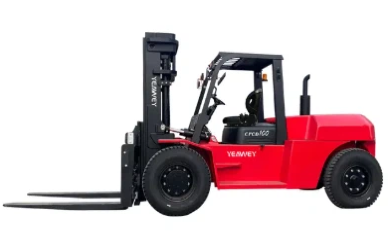
Heavy-Duty Diesel Forklifts: These forklifts are designed for lifting much heavier loads, ranging from 10 to 15 tons. They are used in heavy industries such as steel, mining, or port operations, where the transportation of large, bulky items is essential. These forklifts are built with more robust engines and a stronger frame to handle the increased weight.
The lifting capacity of a diesel forklift directly impacts its performance and suitability for various tasks:
Small Diesel Forklifts (3 tons): With a lower lifting capacity, these forklifts are perfect for tasks that don’t require heavy lifting, such as handling pallets or moving lighter materials within confined spaces. However, they may not be suitable for larger, heavier materials or high-lift applications.
Medium Diesel Forklifts (5 to 7 tons): These forklifts offer a good balance between lifting capacity and maneuverability. They are versatile and can be used for a variety of tasks in environments like warehouses, loading docks, and construction sites. Their increased lifting capacity allows them to handle a wider range of materials and work at greater heights or with heavier loads than smaller forklifts.
Heavy-Duty Diesel Forklifts (10 to 15 tons): With their powerful engines and high lifting capacities, these forklifts are essential in industries that deal with extremely heavy loads, such as steel, timber, or heavy machinery. These forklifts can handle large and bulky items with ease, but they require more space to maneuver and may not be suitable for smaller, confined areas.
Weight Distribution: The way the load is distributed on the forklift's forks has a significant impact on its lifting capacity. If the weight is not evenly distributed or is placed too far from the forklift’s mast, it can cause the forklift to become unstable and tip over. Proper weight distribution ensures that the forklift can lift the rated load safely without compromising balance.
Load Center: The load center refers to the distance from the forklift’s mast to the center of the load. Typically, the standard load center is 24 inches (600 mm). If the load is positioned farther away from the mast, the forklift’s lifting capacity decreases because the weight creates more leverage, making the forklift less stable. A longer load center means a reduced lifting capacity and vice versa. Properly aligning the load center helps maintain the forklift's balance and maximizes lifting potential.
Mast Height: The mast height, or lift height, plays a critical role in the lifting capacity of a forklift. As the mast extends to lift the load higher, the forklift's stability decreases, reducing its maximum lifting capacity. Forklifts are typically rated for their lifting capacity at certain heights, and as the lift height increases, the capacity decreases to maintain safety. The higher the mast, the less weight the forklift can lift at that height.
Tire Type: The type of tires on a forklift affects its lifting capacity and overall performance. Forklifts generally come with three types of tires:
Pneumatic tires (air-filled): Best suited for outdoor use and rough terrain. They offer better stability and traction but may reduce lifting capacity when compared to cushion tires.
Cushion tires (solid): Typically used for indoor environments like warehouses with smooth floors. They provide better stability and can handle higher lifting capacities in these conditions.
Solid tires: Ideal for heavy-duty applications in harsh environments. These tires provide excellent support for larger loads, but their impact on lifting capacity depends on the terrain.
Engine Power: The engine's power directly impacts the forklift’s ability to handle heavy loads. Forklifts with more powerful engines can lift and move heavier loads more effectively. Diesel-powered forklifts, for example, typically have higher engine output than electric forklifts, making them better suited for heavy-duty tasks and long-duration operations.
Terrain: The type of terrain on which the forklift operates can significantly influence its lifting capacity. Forklifts designed for rough terrain or outdoor environments may have different load ratings when operating on uneven surfaces, steep inclines, or uneven ground. On such terrains, forklifts may have to sacrifice some lifting capacity to maintain stability. Additionally, flat indoor surfaces generally allow forklifts to operate closer to their maximum lifting capacity.
When selecting a diesel forklift, consider the operational environment and tasks:
Warehouse Operations:
Environment: Indoor with smooth floors and confined spaces.
Lifting Capacity: Typically, a 5–7 ton forklift is sufficient for handling pallets and goods. Ensure the forklift has the right mast height and maneuverability for narrow aisles.
Construction Sites:
Environment: Rough terrain with uneven surfaces.
Lifting Capacity: 5–10 tons is ideal for handling heavy materials like steel beams or machinery. A rough terrain forklift with pneumatic tires is recommended.
Port Operations:
Environment: Outdoor spaces handling large cargo.
Lifting Capacity: A 10–15 ton forklift is necessary to lift large shipping containers and heavy cargo efficiently in open spaces.
Lightweight Materials (e.g., pallets, light packages):
Lifting Capacity: A 3–5 ton forklift is adequate. These forklifts are ideal for indoor use and lighter loads that don’t require high lifting power.
Heavy Materials (e.g., steel beams, machinery parts):
Lifting Capacity: A 7–15 ton forklift is needed to lift heavier loads in industries like construction or port operations.
Bulk Materials (e.g., gravel, sand):
Lifting Capacity: A 5–7 ton forklift is typically sufficient for bulk materials. Stability is key to prevent tipping when lifting large loads.
A standard diesel forklift can typically lift between 3 to 7 tons, with heavy-duty models reaching up to 15 tons.
Lifting capacity is determined by the forklift's weight, load center (distance from the mast to the center of the load), and the stability of the equipment.
No, increasing the mast height generally reduces the lifting capacity, as it affects stability. It’s important to match mast height with load requirements.
Overloading a diesel forklift can lead to tip-overs, damage to the forklift, and safety hazards, compromising both the equipment and operator safety.
Selecting the correct lifting capacity for a diesel forklift is crucial for both safety and efficiency. A forklift with the right lifting capacity ensures that materials can be handled effectively without risking overloading or instability. Overloading a forklift can lead to accidents, equipment damage, and delays, while an underpowered forklift may struggle to complete tasks, reducing productivity. It's important to consider factors such as load center, mast height, and terrain when determining the appropriate forklift for your needs. For the best results, it’s always advisable to consult with forklift suppliers who can offer tailored recommendations based on your specific operational requirements.


