
Views: 0 Author: Site Editor Publish Time: 2025-10-29 Origin: Site


Forklifts play an essential role in material handling across industries such as warehousing, manufacturing, logistics, and construction. Over the years, forklifts have evolved, and today businesses can choose from a wide variety of models, with the two most common types being electric forklifts and internal combustion (IC) forklifts.
The debate between electric and internal combustion forklifts has been ongoing for some time. Each type of forklift has its own set of benefits and drawbacks, and the right choice depends on the specific needs of your business. As industries increasingly focus on sustainability, energy efficiency, and operational cost savings, electric forklifts have gained popularity. However, IC forklifts still hold their ground, especially in environments requiring high lifting capacities and outdoor operations.
In this article, we’ll explore the advantages and disadvantages of electric forklifts and traditional internal combustion forklifts, and provide insights into how to choose the right forklift for your business needs.
Before diving into the comparison, it’s important to understand the fundamental difference between electric and internal combustion forklifts.
Electric forklifts are powered by rechargeable batteries. These forklifts are commonly used indoors because they produce zero emissions, making them suitable for environments where air quality is important. They come in various types, such as counterbalance, reach trucks, and narrow aisle forklifts, making them versatile for different applications.
On the other hand, internal combustion (IC) forklifts run on traditional fossil fuels, including gasoline, diesel, or liquefied petroleum gas (LPG). These forklifts are primarily used outdoors or in environments where heavy-duty lifting is required. They are known for their power and toughness, often handling the most demanding tasks in warehouses, construction sites, and distribution centers.
One of the most significant advantages of electric forklifts is their environmental friendliness. As industries focus more on reducing their carbon footprint, electric forklifts are a key part of this movement.
Electric forklifts are powered by batteries, which means they produce no emissions. This makes them ideal for indoor applications where air quality is a concern. They do not release exhaust fumes like traditional IC forklifts, which makes them safer for operators and better for the overall working environment.
Zero Emissions: Electric forklifts are clean, reducing the overall environmental impact of your operations. They help businesses meet green building certifications and sustainability goals.
Energy Efficiency: Electric forklifts are generally more energy-efficient compared to IC forklifts, translating to lower operating costs and reduced energy consumption.
In contrast, IC forklifts emit carbon dioxide (CO2), nitrogen oxide (NOx), and other pollutants during operation. These emissions can contribute to air pollution and negatively impact the environment. Additionally, for indoor use, proper ventilation is required to ensure the safe operation of IC forklifts. Without adequate ventilation, there is an increased risk of carbon monoxide poisoning.
Environmental Impact: Due to their reliance on fossil fuels, IC forklifts contribute to air pollution and greenhouse gas emissions.
Fuel Costs: With the rising costs of gasoline and diesel, the environmental cost of operating an IC forklift is growing, alongside its financial cost.
When evaluating electric forklifts versus IC forklifts, businesses must consider both the initial cost and the long-term cost of ownership.
Although the initial purchase price of electric forklifts can be higher than IC forklifts (due to the cost of the batteries), they often offer lower long-term operating costs.
Lower Maintenance: Electric forklifts have fewer moving parts compared to IC forklifts, which leads to less frequent repairs and lower maintenance costs.
Energy Efficiency: Electricity is generally cheaper than gasoline or diesel, and electric forklifts consume less energy per hour of operation.
Less Downtime: With fewer moving parts and less frequent maintenance requirements, electric forklifts experience less downtime than their IC counterparts.
Initial Cost: The upfront purchase price of electric forklifts can be significantly higher, primarily due to the cost of the batteries. However, businesses may offset this cost over time through savings on fuel and maintenance.
IC forklifts typically have lower initial costs but incur higher operating expenses. These forklifts are fueled by gasoline, diesel, or LPG, and the price of fuel fluctuates. Additionally, IC forklifts have more complex mechanical systems, which means they require more maintenance.
Lower Initial Cost: IC forklifts generally have a lower purchase price than electric models, making them more accessible for businesses with limited capital budgets.
Higher Lifting Capacity: IC forklifts are often capable of handling heavier loads, making them ideal for heavy-duty applications in construction and large warehouses.
Higher Operating Costs: The price of fuel, in addition to routine maintenance and repairs, can add up quickly. Diesel-powered forklifts, in particular, tend to incur the highest fuel and maintenance costs.
Frequent Maintenance: The more complex engine and fuel system require more frequent maintenance, resulting in higher long-term costs.
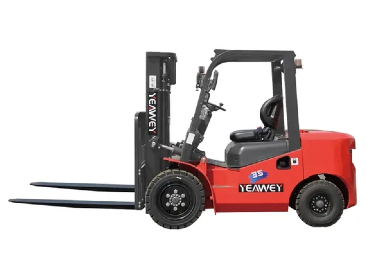
When it comes to performance and lifting capacity, IC forklifts are often the preferred choice for businesses that need to lift heavy loads in outdoor environments or rough terrain.
Electric forklifts are well-suited for indoor use and light to medium-duty applications. They are perfect for warehouses and distribution centers, especially when handling palletized goods, storage, and shelving systems. However, they generally have a lower lifting capacity compared to IC forklifts, making them unsuitable for heavy-duty tasks that require lifting very large or heavy items.
Indoor Use: Electric forklifts are perfect for indoor environments due to their clean operation and ability to fit into narrow aisles. Their lifting capacity typically ranges from 1 to 5 tons, which is ideal for light to medium loads.
Internal combustion forklifts are better suited for outdoor operations and heavy-duty lifting. These forklifts are designed to handle heavier loads, ranging from 5 tons to 50 tons or more, and can operate in rough terrain or construction sites where the conditions are more demanding.
Heavy Loads: IC forklifts are generally better equipped for heavy lifting, making them the go-to option for industries like construction and lumber mills where high lifting capacities are essential.
Outdoor Use: The durability and power of IC forklifts allow them to work in more rugged outdoor environments, handling materials on uneven surfaces without losing performance.
Both electric and IC forklifts come with safety features, but their operational environments and designs influence safety factors differently.
Electric forklifts operate quietly, which reduces noise pollution in the workplace and makes them ideal for indoor use. They are also equipped with advanced safety features like stability control, sensors, and automatic load handling. Additionally, the absence of exhaust fumes means that operators are at lower risk of carbon monoxide poisoning.
While IC forklifts offer greater power and durability, they are generally louder and produce harmful emissions, requiring careful attention to ventilation and air quality when operating indoors. In addition, the increased complexity of their engines and fuel systems introduces more potential hazards for operators.
When deciding between electric forklifts and internal combustion forklifts, the best choice depends on the nature of your business and operating environment.
Electric Forklifts are ideal for indoor operations, light to medium-duty lifting, and businesses looking to reduce emissions and operational costs. They are also well-suited for companies seeking to align with sustainability goals.
Internal Combustion Forklifts are better suited for outdoor operations or heavy-duty lifting tasks, offering higher lifting capacities and the ability to handle rough terrain or harsh conditions.
As with any equipment investment, it’s important to assess your specific needs, from load capacities to the type of terrain, and to balance both initial investment and long-term operating costs.
Forklift manufacturers such as Qingdao YEAWEY Machinery Co., Ltd. provide a variety of forklifts tailored to meet different business needs, whether you require an electric forklift for your warehouse or a heavy-duty IC forklift for outdoor construction work. With the right forklift, you can enhance your operational efficiency, improve safety, and ultimately drive the success of your business.


