
Views: 0 Author: Site Editor Publish Time: 2026-03-17 Origin: Site


When it comes to material handling, choosing the right forklift is crucial for your business. Two of the most popular options are diesel forklifts and electric forklifts. While both types are designed to lift and move materials, they differ significantly in performance, cost, environmental impact, and suitability for various tasks. In this article, we’ll compare diesel forklifts and electric forklifts, providing insights into their strengths and weaknesses. This will help you make a more informed decision based on your operational needs.
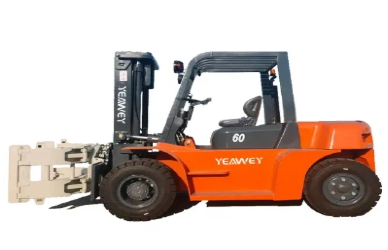
A diesel forklift is powered by a diesel engine, making it a powerful machine capable of handling heavy-duty tasks. Diesel forklifts are generally used in outdoor environments or places with rough terrain, such as construction sites, docks, and warehouses with large open spaces. Their larger engines give them higher lifting capacities and allow them to run for longer periods without needing a fuel recharge.
Common Applications:
Construction sites
Heavy-duty outdoor applications
Steel mills, lumberyards, and large manufacturing plants
Electric forklifts, on the other hand, are powered by batteries and are typically designed for indoor use. They are quiet, efficient, and environmentally friendly, as they produce no emissions during operation. These forklifts are best suited for environments with limited space, such as warehouses and distribution centers, where the focus is on precision and speed rather than lifting extremely heavy loads.
Common Applications:
Indoor warehouse operations
Distribution centers
Retail environments
When choosing between a diesel forklift and an electric forklift, it’s important to assess several key factors that affect performance, cost, and overall suitability for your operations. Below are the main factors to consider:
One of the most important differences between a diesel and electric forklift is their power and performance. Diesel forklifts generally have more power due to their larger engines, which makes them better suited for heavy-duty tasks and outdoor environments.
Diesel forklifts are equipped with large engines capable of lifting heavier loads. With a higher lifting capacity, these forklifts can handle materials weighing from 3 to 15 tons. They are ideal for construction sites and heavy industries where lifting heavy materials like steel beams, large containers, and construction equipment is common. Diesel forklifts are typically better suited for tasks where heavy lifting is a priority, especially in rough terrain or outdoor conditions.
Electric forklifts are typically more limited in lifting capacity compared to their diesel counterparts, usually ranging between 1.5 to 5 tons. However, advancements in battery technology have significantly improved their performance, allowing electric forklifts to handle a wide range of medium-duty tasks. These forklifts are often preferred for indoor use due to their low emissions, smooth operation, and quiet performance. They are ideal for handling lighter loads in confined spaces such as warehouse aisles.
The environmental impact of a forklift is an increasingly important consideration for businesses looking to reduce their carbon footprint.
Diesel-powered forklifts, while efficient in terms of power and performance, produce greenhouse gases and other pollutants. These forklifts are better suited for outdoor environments, where their emissions can be dispersed in open air. In confined indoor spaces, diesel forklifts are less ideal due to the pollution they generate, which may require additional ventilation or cause health risks to operators.
Electric forklifts have a clear environmental advantage, as they emit no direct pollutants during operation. This makes them the preferred choice for indoor settings, where air quality is a concern. Additionally, electric forklifts can be charged using renewable energy sources, further reducing their environmental impact. As sustainability becomes a priority for many businesses, the electric forklift is an attractive option due to its eco-friendly nature.
Both diesel and electric forklifts come with their own set of costs and maintenance requirements.
Diesel forklifts generally have higher upfront costs compared to electric forklifts. This is because they are built with larger engines and more robust components designed to handle heavier loads and harsh outdoor conditions. In addition, diesel fuel can be expensive, and regular maintenance costs can add up due to the need for oil changes, filter replacements, and engine maintenance.
Frequent oil changes
Fuel system maintenance
Exhaust and emission system maintenance
While diesel forklifts have higher fuel and maintenance costs, they often have a longer lifespan and can operate longer hours compared to electric forklifts.
Electric forklifts typically have a lower initial cost than diesel forklifts, though this can vary depending on the model and battery technology. Their operation is generally cheaper because they run on electricity, which is more affordable than diesel fuel. However, the batteries in electric forklifts need to be replaced every few years, which can be a significant cost. Charging equipment also adds to the overall cost of operating electric forklifts.
Battery maintenance and replacement
Periodic inspections of electric motors and controllers
Despite these costs, electric forklifts require less maintenance overall and have lower operating costs compared to diesel forklifts.
Maneuverability and efficiency are crucial factors to consider when deciding between a diesel and electric forklift.
Diesel forklifts are typically larger and heavier, making them less maneuverable than electric forklifts. However, they perform well in outdoor environments with large open spaces where their size is not an issue. Their higher lifting capacity is ideal for heavy-duty applications, but they may be challenging to use in small or cramped indoor spaces.
Electric forklifts are typically smaller and more compact, which allows for greater maneuverability in tight spaces, making them ideal for indoor environments. With smaller turning radii and better control, electric forklifts can easily navigate narrow aisles and stack goods on higher shelves. In addition, electric motors offer smooth acceleration and deceleration, which enhances efficiency in high-speed operations.
Powerful Engine: Diesel forklifts offer high lifting capacity and the ability to handle heavy-duty tasks.
Outdoor Suitability: Perfect for construction sites and rough terrain due to their robust design.
Longer Operating Hours: Diesel forklifts can run for long periods without needing a recharge.
High Fuel Consumption: Diesel forklifts are less fuel-efficient compared to electric models.
Pollution: Diesel engines produce emissions, making them unsuitable for indoor use without proper ventilation.
Higher Maintenance Costs: Diesel engines require regular maintenance, which can add to operational costs.
Environmentally Friendly: No emissions during operation, making them ideal for indoor use.
Lower Operating Costs: Electric forklifts are cheaper to maintain and operate, especially with the decreasing cost of electricity.
Quiet Operation: Electric forklifts are quieter, which is beneficial in environments where noise is a concern.
Limited Range: Electric forklifts have a limited run-time compared to diesel models and need recharging after a few hours of use.
Initial Cost: The initial investment in electric forklifts can be higher, especially due to the cost of batteries.
Charging Time: While some forklifts charge quickly, others may require long charging times, reducing operational time.
Load Type: If you need to lift heavy loads for extended periods, a diesel forklift is the best choice. For lighter, indoor tasks, an electric forklift is more suitable.
Operational Environment: For outdoor operations or rough terrain, diesel forklifts are the better option. For indoor use in confined spaces, electric forklifts shine.
Cost Considerations: If you’re looking to save on fuel and maintenance costs in the long term, an electric forklift is a cost-effective solution. Diesel forklifts, while more expensive in the short term, can handle heavier loads and operate for longer hours.
Diesel Forklifts: Construction sites, steel mills, lumberyards, large outdoor storage areas.
Electric Forklifts: Warehouses, distribution centers, retail environments, clean and quiet indoor settings.
Diesel forklifts are ideal for outdoor use due to their high lifting capacity and ability to handle rough terrain, while electric forklifts are better suited for indoor environments.
Electric forklifts offer lower operating costs, zero emissions, and quiet operation, making them the preferred choice for indoor environments.
Diesel forklifts can be used indoors but require proper ventilation due to emissions. They are typically not recommended for indoor environments unless the space is large and well-ventilated.
Electric forklifts are generally more fuel-efficient, with lower energy costs compared to the price of diesel fuel, making them cheaper to operate in the long run.
Both diesel forklifts and electric forklifts offer distinct advantages and are better suited to different applications. Diesel forklifts are powerful, versatile, and ideal for heavy-duty outdoor operations, but they come with higher fuel and maintenance costs and generate emissions. Electric forklifts, on the other hand, are environmentally friendly, cost-efficient in the long run, and perfect for indoor operations, but they have limitations in terms of range and lifting capacity.
Ultimately, choosing between a diesel forklift and an electric forklift depends on your specific business needs. Consider factors such as load capacity, operational environment, fuel efficiency, and maintenance costs to determine which forklift is best for your operations.


