
Views: 0 Author: Site Editor Publish Time: 2025-10-31 Origin: Site


Forklifts are essential tools in many industries, from warehouses to construction sites, used for lifting, transporting, and organizing heavy loads. When considering forklifts, one of the critical specifications to understand is their weight. This is because the weight of the forklift directly influences its stability, lifting capacity, maneuverability, and suitability for various tasks and environments.
One of the most commonly asked questions about forklifts is: "What is the weight of a 1.5-ton forklift?" While the answer to this question might seem straightforward, there are several factors to consider, including the type of forklift, its load capacity, and its design. In this article, we will explore the concept of forklift weight in detail, explain the factors that determine the weight of a 1.5-ton forklift, and discuss how forklift weight impacts its performance and usage.
Before diving into the specifics of the forklift’s weight, it’s important to understand what a 1.5-ton forklift is. A 1.5-ton forklift refers to a forklift that is designed to carry a load weighing up to 1.5 tons (or 1,500 kilograms). This is also equivalent to 3,300 pounds. The term "1.5-ton" refers to the lifting capacity of the forklift rather than its own weight.
The weight of a forklift itself is not the same as its lifting capacity. The lifting capacity refers to the maximum weight a forklift can safely lift while maintaining stability, while the forklift’s own weight contributes to its overall balance and performance. A 1.5-ton forklift is considered a light-duty forklift, suitable for handling lighter loads in various indoor and outdoor settings, such as warehouses, factories, and small-scale distribution centers.
However, understanding the weight of a 1.5-ton forklift requires considering the full design of the machine and the factors that affect its weight.
The weight of a 1.5-ton forklift can vary based on several factors, including the type of forklift, the construction materials used, the power source, and the design features. These factors will influence the total weight of the forklift, even though the lifting capacity remains constant. Let’s explore the main factors that determine the weight of a 1.5-ton forklift:
Forklifts come in various types, each designed for different tasks and environments. The weight of a 1.5-ton forklift can vary depending on the specific type of forklift. The two most common types of 1.5-ton forklifts are electric forklifts and internal combustion (IC) forklifts.
Electric forklifts are powered by rechargeable batteries and are commonly used indoors. They are quieter and produce zero emissions, making them ideal for enclosed spaces such as warehouses or factories. While electric forklifts tend to be more compact and efficient, they generally have a higher weight compared to their IC counterparts because of the battery. The weight of the battery can add significant weight to the overall forklift, typically between 600 to 1,000 kg (1,320 to 2,200 lbs), depending on the battery’s size and capacity.
Internal combustion (IC) forklifts, which run on gasoline, diesel, or liquefied petroleum gas (LPG), are often used in outdoor environments where more power is needed to lift heavier loads. IC forklifts tend to be slightly lighter than electric forklifts since they don’t require a large battery. However, the engine and fuel tank add weight, typically resulting in a weight range of 2,500 kg to 3,500 kg (5,500 lbs to 7,700 lbs) for a 1.5-ton forklift.
As mentioned, the power source of a forklift can affect its weight. Electric forklifts, while offering environmental benefits, tend to weigh more due to the inclusion of large batteries. On the other hand, internal combustion forklifts, which are powered by diesel or gas engines, can be lighter but are often more powerful in terms of lifting capacity and outdoor maneuverability.
Batteries typically weigh between 600 to 1,000 kg.
The overall weight of a 1.5-ton electric forklift can range from 2,000 kg to 2,500 kg (4,400 lbs to 5,500 lbs), depending on the battery size.
The engine and fuel tank usually add between 400 to 800 kg (880 to 1,760 lbs).
The weight of a 1.5-ton internal combustion forklift typically ranges from 2,000 kg to 3,000 kg (4,400 lbs to 6,600 lbs), depending on the engine size and fuel type.
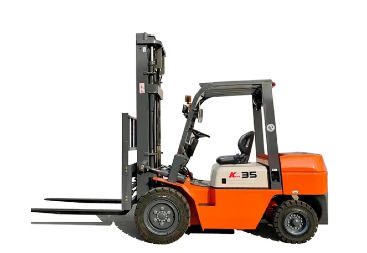
The materials used to construct a forklift can also impact its weight. Forklifts are typically made of steel, aluminum, and iron, with steel being the most common material used for the frame and mast. Steel is strong and durable, but it can add significant weight to the forklift.
Steel Construction: Steel is strong and resistant to wear, which makes it ideal for the heavy-duty use that forklifts are subject to. However, steel adds to the overall weight of the forklift, especially in the frame, counterweight, and mast.
Aluminum Construction: Some modern forklifts use aluminum in certain parts of the structure, such as the mast or chassis, to reduce weight. Aluminum is a lighter material than steel, which helps offset some of the weight added by the engine or battery.
The length and design of the forklift's forks (the arms that lift and carry the load) also affect its overall weight. Longer forks tend to add weight to the forklift, as does the presence of additional attachments such as sideshifters, fork positioners, or rotators.
Standard Fork Length: For a 1.5-ton forklift, the forks typically range between 36 to 48 inches (91 to 122 cm) in length. Longer forks and attachments increase the overall weight of the forklift but may be necessary for specific tasks.
Specialized Forks: In some applications, specialized forks may be added to the forklift, which can further increase its weight.
Other features and attachments may also add to the weight of the forklift. Some of the additional features that can affect weight include:
Overhead Guards: These are standard safety features on forklifts to protect the operator from falling objects.
Cabin and Operator Platform: Some forklifts have enclosed cabs or operator platforms, which add weight to the machine.
Counterweights: Forklifts often have counterweights to balance the load being carried. These weights are especially important for ensuring the stability of the forklift when lifting heavy items.
Tires: The type of tires on the forklift can also influence its weight. Solid tires are typically heavier than pneumatic tires, which are air-filled and lighter.
Based on the factors mentioned above, the weight of a 1.5-ton forklift typically ranges from 2,000 kg to 3,500 kg (4,400 lbs to 7,700 lbs), depending on the specific type and configuration of the forklift.
Electric 1.5-Ton Forklift: The weight usually ranges from 2,000 kg to 2,500 kg (4,400 lbs to 5,500 lbs).
Internal Combustion 1.5-Ton Forklift: The weight typically ranges from 2,500 kg to 3,500 kg (5,500 lbs to 7,700 lbs).
These weight ranges can fluctuate based on the manufacturer, additional features, and specific model design.
Understanding the weight of a forklift is important for several reasons:
A forklift’s weight, especially the counterweight, is critical for its stability. Heavier forklifts tend to be more stable when lifting heavy loads, which reduces the risk of tipping over. However, it’s also important to ensure the forklift is not overloaded, as exceeding the weight capacity can lead to accidents.
The weight of the forklift also affects its maneuverability. Lighter forklifts are easier to maneuver in tight spaces and can perform tasks in smaller warehouses or crowded areas. Heavier forklifts may require more space to turn and maneuver, but they provide greater lifting power for more substantial loads.
Forklifts need to be transported from one location to another, and knowing the weight is essential for ensuring that the vehicle used for transportation is suitable for carrying the forklift safely. Overloading transportation equipment can lead to damage and safety hazards.
The weight of a 1.5-ton forklift varies depending on its design, power source, and the materials used in its construction. Typically, the weight ranges between 2,000 kg to 3,500 kg (4,400 lbs to 7,700 lbs), with electric models being somewhat lighter than their internal combustion counterparts due to the battery’s weight. Understanding the weight of a forklift is crucial for ensuring stability, safety, maneuverability, and efficient transportation. Whether you're selecting a forklift for your business or simply curious about the specifications, knowing the forklift's weight helps in making an informed decision based on your specific needs.


